Economy: the resources and processes involved in the production, distribution, and consumption of goods and services.
Ex. Selling products to consumers to make money.
Economic System: How a society organizes the production, distribution, and consumption of goods and services
Ex. People are given jobs that help the economy.
Scarcity: in economics, the idea that land (materials), labour and capital (money) limit the supply of what people want and need.
Ex. There is not alot of ipads to sell.
Land: The part of the earth's surface that is not covered by water, as opposed to the sea or the air.
Ex. Soil you can sell
Labour: A social class compromising those who do manual labour for work wages.
Ex. Jobs
Capital: The most important city or town of a country or region, usually its seat of government.
Ex. Edmonton is the capital of Alberta
Privately Owned: in economics, the part of the economy owned and controlled by businesses and individuals.
Ex. Owning your own store and working for it.
Publically Owned: in economics, the pat of the economy owned and controlled by government and paid for by taxes.
Ex. Roads are paid by taxes by owned and controlled by the government.
Public Good: whats best for the society as a whole.
Ex. Public park
Shift left: A shift on the economic continuum towards more government involvement in the economy. A shift left is usually described as taking a more liberal position.
Ex.Government has more control.
Shift Right: a shift on the economic continuum towards less government involvement in the economy. A shift right is usually described as taking a more conservative position.
Ex. The government has less control.
Consumers: those who use products and services
Ex. I'm a consumer because i use computers.
Producers: those who create products and services.
Ex. Businesses who make computers.
Supply: the products and services created by producers.
Ex. The amount of a product.
Demand: the wants and needs of consumers for products and services
Ex. If lots of people want apples, they are on demand.
Competition: in economics, rivalry among producers to sell products to consumers.
Ex. Costco and walmart are competitng to sell the most product
Unemployment Rate: the percentage of the workforce that does not have jobs.
Ex. The U.S. has a bad unemployment rate because many are without jobs.
Strike: a cessation of work by workers. Strikes pressure employers to respond to issues that concern workers.
Ex. teacher's striking so they get a higher wage.
Collective Bargaining: negotiating as a group. Collective bargaining is the key right established by unions for workers.
Ex.A group of workers bargaining against the head to get things the want or want to improve
Labour Union: An organization of workers that acts to protect workers' rights and interests.
Ex. Nurses union
Wednesday, 11 April 2012

Thursday, 16 February 2012
vocabulary Chapter 5
Immigration- the process of people establishing homes, and often citizenship, in a country that is not their native country.
Ex. You used to live in Poland but then you immigrated to Canada and are now a Canadian citizen.
demographic- to do with the characteristics of populations.
Ex. All the girls in the school.
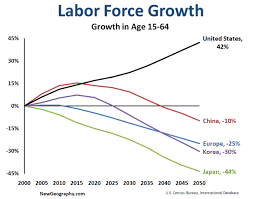
labour force growth- an organization of workers that acts to protect workers' rights and interests.
Ex. When people move somewhere to work.
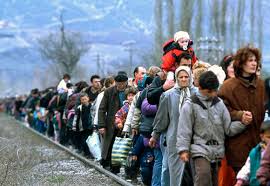
Refugee- a person who seeks refuge in another country because of danger or persecution in their home country.
Ex. If there is an earthquake in their home country they may move to Canada because of safety.
Quebec Accord- a legal agreement concerning immigration issues between the federal government of Canada and the province of Quebec.
Ex. The Quebec government going to another French speaking country to nominate immigrants.

Ex. You used to live in Poland but then you immigrated to Canada and are now a Canadian citizen.
demographic- to do with the characteristics of populations.
Ex. All the girls in the school.
labour force growth- an organization of workers that acts to protect workers' rights and interests.
Ex. When people move somewhere to work.
Refugee- a person who seeks refuge in another country because of danger or persecution in their home country.
Ex. If there is an earthquake in their home country they may move to Canada because of safety.
Quebec Accord- a legal agreement concerning immigration issues between the federal government of Canada and the province of Quebec.
Ex. The Quebec government going to another French speaking country to nominate immigrants.
Friday, 3 February 2012
Current Event: Top 5 Wacky and Weird Super Bowl XLVI bets
Who: The Super Bowl XLVI
What: People can go on an online website and place wacky bets.
Where: you can go on bovada.com and place bets.
When: From February 3rd, 2012 to February 5th 2012
Why: People are placing these bets because its funny to see what people can come up with and fun to see how much of it actually comes true.
How it impacts my life: If i wanted to I could go on to that website and make a funny bet.
How it impacts Canada: It could cause a problem because people may get offended of some of the bets that are posted but I think most of all Canadians will mostly just enjoy looking at some of the interesting bets.
Top 5:
What: People can go on an online website and place wacky bets.
Where: you can go on bovada.com and place bets.
When: From February 3rd, 2012 to February 5th 2012
Why: People are placing these bets because its funny to see what people can come up with and fun to see how much of it actually comes true.
How it impacts my life: If i wanted to I could go on to that website and make a funny bet.
How it impacts Canada: It could cause a problem because people may get offended of some of the bets that are posted but I think most of all Canadians will mostly just enjoy looking at some of the interesting bets.
Top 5:
Friday, 20 January 2012
chapter 4 vocab: collective rights
Affirm- to validate and express commitment to something.
Ex. To swear to tell the truth in a court case.
Collective Identity- the shared identity of a group of people.
Ex. Anglophones are a group of people.
Collective Rights- rights guarenteed to specific groups in Canadian society for historical and constitutional reasons. Theses groups are: Aboriginal people, including First Nations, Metis and Inuit; and Francophones and Anglophones.
Ex. First Nations can hunt whatever animal they want without a hunting license because its part of their culture.
First Nations- The umbrella name for the diverse Aboriginal peoples who have collective rights that are recongnized and protected in Canadas constitution.
Ex. Blackfoot people are apart of the First Nations name.
Sovereignty- independance as a people.
Ex. Canada as a country.
Annuity- an annual payment
Ex. Payment on a car.
Official Language Minority- speaking a official language but that language is not mainly spoken.
Ex. Spanish people are the language minority of Canada because most people speak English or French.
Anglophone- Person who`s first language is English.
Ex. English speaking person.
Francophone- Person who`s first language is French.
Ex. Person who speaks French.
Assimilate- become part of a different cultural group.
Ex. If you were an American and you moved to Iran and wore a turban.
Entrench (ed)- Fix firmly within.
Ex. the charter is entrenched in the constituion.
Indian- Europeans used the word Indian to describe the First Nations od North America, although these peoples were diverse and had names for themselves. Many First Nations prefer not to use the word Indian for themselves.
Ex. Blackfoot are a groups of `Indians`
Reserves- land for the exclusive use of First Nations.
Ex. Land that has been set aside for First Nations only. Siksika reserve.
Autonomy- authority to make decisions.
Ex.The Prime Minister makes decisions.
Land Claims- Land claims are a legal declaration of desired control over areas of property.
Ex. The Europeans taking over the First Nations land.
Settlement- An official agreement intended to resolve a dispute or conflict:
Ex. unions succeeded in reaching a pay settlement.
Collective- Done by people acting as a group.
Ex.Having a protest.
Ethnocentrism- the beilief that one`s culture is superior to all other cultures.
Ex. The Europeans thought they were better than the First Nations people.
Official Language Community- One of the groups in Candian society whose members speak an official language (french or english) as their first language.
Ex. A group who speaks french or english.
Publically Funded- paid for by taxes and provided by government
Ex. Roads, we pay taxes and the government maintains and builds them.
Scrip- In Metis history, a document that could be exchanged for land and that was offered the Metis at the time the Numbred Treaties were negotiated.
Ex. A document that was exchanged for land.
Ex. To swear to tell the truth in a court case.
Collective Identity- the shared identity of a group of people.
Ex. Anglophones are a group of people.
Collective Rights- rights guarenteed to specific groups in Canadian society for historical and constitutional reasons. Theses groups are: Aboriginal people, including First Nations, Metis and Inuit; and Francophones and Anglophones.
Ex. First Nations can hunt whatever animal they want without a hunting license because its part of their culture.
First Nations- The umbrella name for the diverse Aboriginal peoples who have collective rights that are recongnized and protected in Canadas constitution.
Ex. Blackfoot people are apart of the First Nations name.
Sovereignty- independance as a people.
Ex. Canada as a country.
Annuity- an annual payment
Ex. Payment on a car.
Official Language Minority- speaking a official language but that language is not mainly spoken.
Ex. Spanish people are the language minority of Canada because most people speak English or French.
Anglophone- Person who`s first language is English.
Ex. English speaking person.
Francophone- Person who`s first language is French.
Ex. Person who speaks French.
Assimilate- become part of a different cultural group.
Ex. If you were an American and you moved to Iran and wore a turban.
Entrench (ed)- Fix firmly within.
Ex. the charter is entrenched in the constituion.
Indian- Europeans used the word Indian to describe the First Nations od North America, although these peoples were diverse and had names for themselves. Many First Nations prefer not to use the word Indian for themselves.
Ex. Blackfoot are a groups of `Indians`
Reserves- land for the exclusive use of First Nations.
Ex. Land that has been set aside for First Nations only. Siksika reserve.
Autonomy- authority to make decisions.
Ex.The Prime Minister makes decisions.
Land Claims- Land claims are a legal declaration of desired control over areas of property.
Ex. The Europeans taking over the First Nations land.
Settlement- An official agreement intended to resolve a dispute or conflict:
Ex. unions succeeded in reaching a pay settlement.
Collective- Done by people acting as a group.
Ex.Having a protest.
Ethnocentrism- the beilief that one`s culture is superior to all other cultures.
Ex. The Europeans thought they were better than the First Nations people.
Official Language Community- One of the groups in Candian society whose members speak an official language (french or english) as their first language.
Ex. A group who speaks french or english.
Publically Funded- paid for by taxes and provided by government
Ex. Roads, we pay taxes and the government maintains and builds them.
Scrip- In Metis history, a document that could be exchanged for land and that was offered the Metis at the time the Numbred Treaties were negotiated.
Ex. A document that was exchanged for land.
Sunday, 11 December 2011
Chapter 3 Vocabulary
Fundamental rights: having the freedom to express your own opinion, chose your religion, organize peaceful meetings, associate with any person or group.
Ex. You can choose whatever religion you want.

Legal rights: The right to be free of imprisonment, search and seizure without reasons backed by law and evidence. The right to a fair and quick public trial by an impartial court that assumes that you are innocent until proven guilty.
Ex. Being able to be free
Mobility Rights: the right each Canadian has to move anywhere in Canada and the right to stay in, enter, or leave Canada.
Ex. You can move where ever you want in Canada.

Democratic Rights: The right to vote for members of the house of Commons and of provincial legislation. The right to vote for a new government at least every five years.
Ex. You can vote for whichever party you want
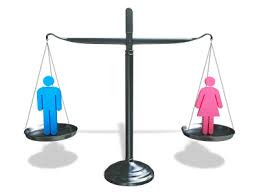
Equality Rights: The right to be free of discrimination because of race, national or ethnic origin, religion, gender, age, or mental or physical disability.
Ex. not getting discriminated against because of colour, gender, religion, etc.
Discrimination: The unjust or prejudicial treatment of different categories of people or things, esp. on the grounds of race, age, or sex
Ex.Getting discriminated against because of colour, religion, being different, etc.
Prejudice: An adverse judgement or opinion formed beforehand or without knowledge or examination of the facts.
Ex. being bias even though you do not know the facts.
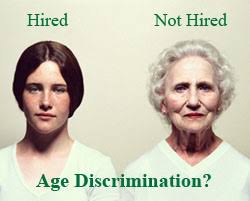
Diversity: the state or fact of being diverse; difference; unlikeness.
Ex. being different, unlike other people

Constitution: a special set of laws that establish a framework of governance.
Ex. the basic "rule book"for Canadian politics.
Indian Act: Federal legislation related to the rights and status of First Nations people ("status Indians"), first passed in1876 and amended several times.
Ex. Making sure First Nations people are treated fairly.

Labour Unions: An organization of workers that acts to protect workers' rights and interests.
Ex. People who work to protect workers rights.

Ex. You can choose whatever religion you want.
Legal rights: The right to be free of imprisonment, search and seizure without reasons backed by law and evidence. The right to a fair and quick public trial by an impartial court that assumes that you are innocent until proven guilty.
Ex. Being able to be free
Mobility Rights: the right each Canadian has to move anywhere in Canada and the right to stay in, enter, or leave Canada.
Ex. You can move where ever you want in Canada.
Democratic Rights: The right to vote for members of the house of Commons and of provincial legislation. The right to vote for a new government at least every five years.
Ex. You can vote for whichever party you want
Equality Rights: The right to be free of discrimination because of race, national or ethnic origin, religion, gender, age, or mental or physical disability.
Ex. not getting discriminated against because of colour, gender, religion, etc.
Discrimination: The unjust or prejudicial treatment of different categories of people or things, esp. on the grounds of race, age, or sex
Ex.Getting discriminated against because of colour, religion, being different, etc.
Prejudice: An adverse judgement or opinion formed beforehand or without knowledge or examination of the facts.
Ex. being bias even though you do not know the facts.
Diversity: the state or fact of being diverse; difference; unlikeness.
Ex. being different, unlike other people
Constitution: a special set of laws that establish a framework of governance.
Ex. the basic "rule book"for Canadian politics.
Indian Act: Federal legislation related to the rights and status of First Nations people ("status Indians"), first passed in1876 and amended several times.
Ex. Making sure First Nations people are treated fairly.
Labour Unions: An organization of workers that acts to protect workers' rights and interests.
Ex. People who work to protect workers rights.
Thursday, 3 November 2011
Chapter Two- Criminal Justice Vocabulary
Chapter Two- Criminal Justice Vocabulary
Fair/ Equitable- Governed by rules that apply to everyone, taking into account individual needs and circumstances.
Ex. If someone has a disability you have to treat them fair, but they may need more help to make it fair for them.
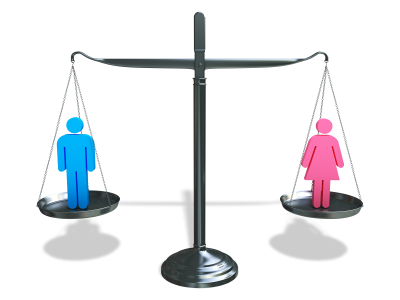
Justice System- The institutions and procedures for applying laws in a society.
Ex. The court, they apply laws.

Justice-applying laws
Ex. Making laws to make places safer.
Legislation-laws created through the legislative process.
Ex. In order for a law to be created it has to go through the house of Commons and the Senate, then signed by the Governor General.

Validity- Reliability, based on critical assessment of source, facts and bias.
Ex. People who knows you can decide if your a reliable because of past experiences with you.
Community Service- Help in the community preformed as part of a sentence, such as assisting with a community clean-up or food bank.
Ex. People picking up garbage on the side of the rode.
Criminal Record- A permanent record of breaking the law, which is public information. A criminal record can bar you from some jobs, volunteer positions and travel to other countries.
Ex. If you have stole something and it was on record, you may not be allowed on the United States.
Sentence- A consequence for a crime, such as imprisonment, determined by a court of law.
Ex. Getting in jail because of a crime.
Rehabilitation- To instill positive behaviors and attitudes.
Ex. Once you get out of jail you may need to be rehabilitated to make sure you don't do that stuff again.

Reintegration- To make part of again.
Ex. Once you have committed a crime and served your jail time, you are reintegrated back in to society.

Subscribe to:
Posts (Atom)